Teachers were championing our platform. The business could not see it.
FrogAsia ran an advocacy program in which teachers championed its learning platform to other teachers and shared what they knew at their own sessions. The program worked on the ground, but the business could not see it. Only the field team knew what happened, through manual reports, and certificates for attendees took up to a month to arrive by mail. I led a team of 10 to turn the program into a gamified app where teachers find sessions, run their own, and earn badges and digital certificates. Along the way I coached the team into better interviewers.
The scoreboard first
After the beta launch:
| Measure | Result |
|---|---|
| Google Play, Events category, Malaysia | Top 3 for the whole first quarter of beta |
| Downloads | More than 10,000 in the first month, with less marketing than other in-house apps |
| Sessions per month | More than 2,000, against a target of 1,000 |
| Identifiable organisers | 900, 150% more than the previous record |
| Visibility of sessions | Up by more than 80% |
| Confidence in the data | Up by more than 55%, with a 40% smaller margin of error |
| Sessions organised | More than 4 times as many |
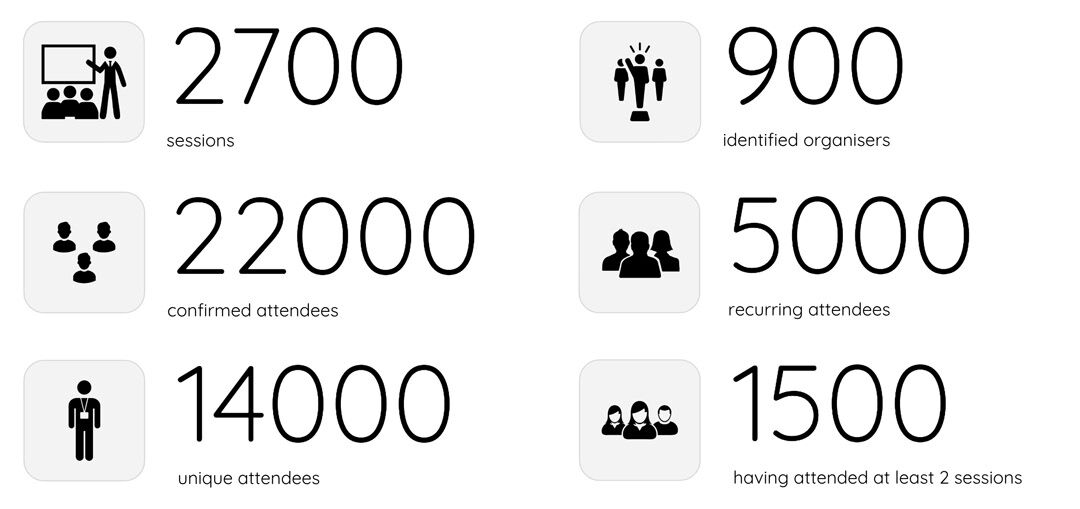
The analytics dashboard after three months of beta showed 2,700 sessions, 22,000 confirmed attendees, 14,000 unique attendees, 900 identified organisers, 5,000 recurring attendees, and 1,500 teachers who had attended at least 2 sessions.
The rest of this page is how a program nobody could measure became one the business could count.
What the numbers replaced
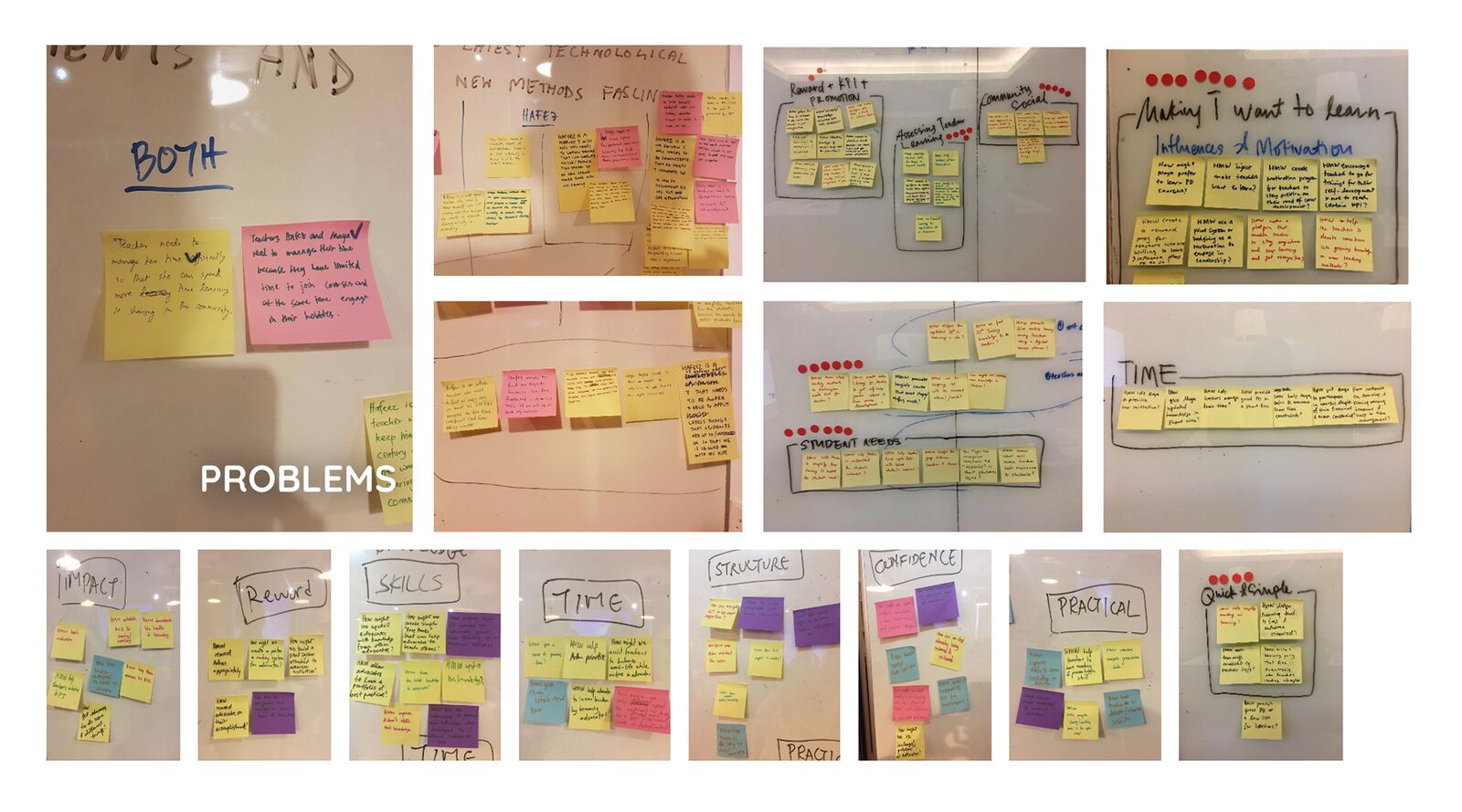
The program let teachers advocate the platform among other teachers, while sharing their expertise and keeping each other current on 21st-century teaching. Since it began, the business had no proper view of it. Only the ground team knew which sessions ran, and they reported manually.
- No view of performance. Without data on the sessions, the company could not measure the program's effect, or the effect of its products.
- Low turnout. People struggled to find sessions, and fewer participants were reported to be turning up.
- No reliable count. Nobody had precise data on how many sessions were running.
- Slow recognition by hand. Certificates of appreciation went out by mail, anywhere from 2 days to a month after a session. One person had done this weekly for several years.
- Unhappy advocates. The delay left some participants dissatisfied, a poor way to thank the people promoting your product.
The bet
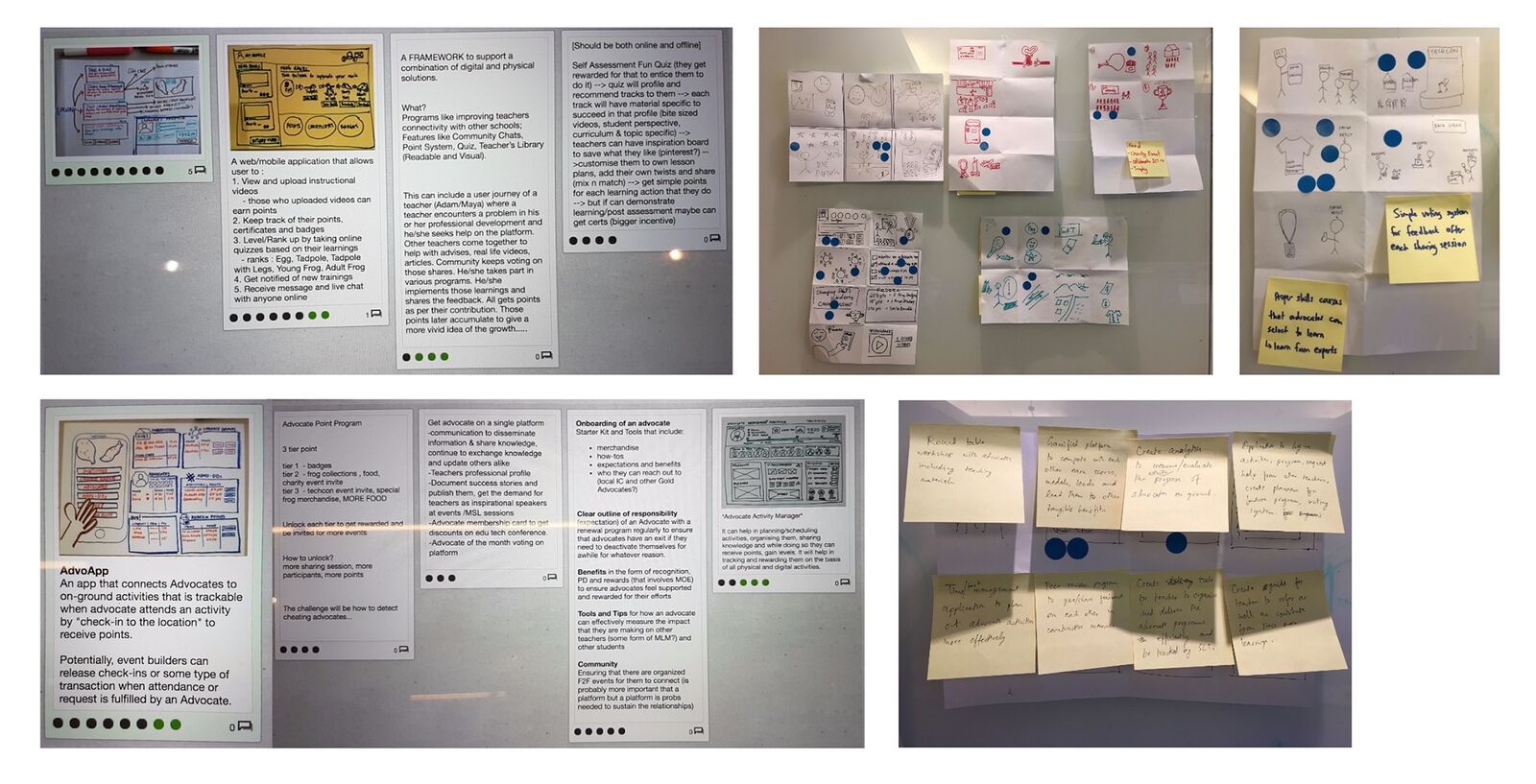
Make the sessions easy to discover, encourage more teachers to run and join them, and give the business data it could trust. The app would let teachers:
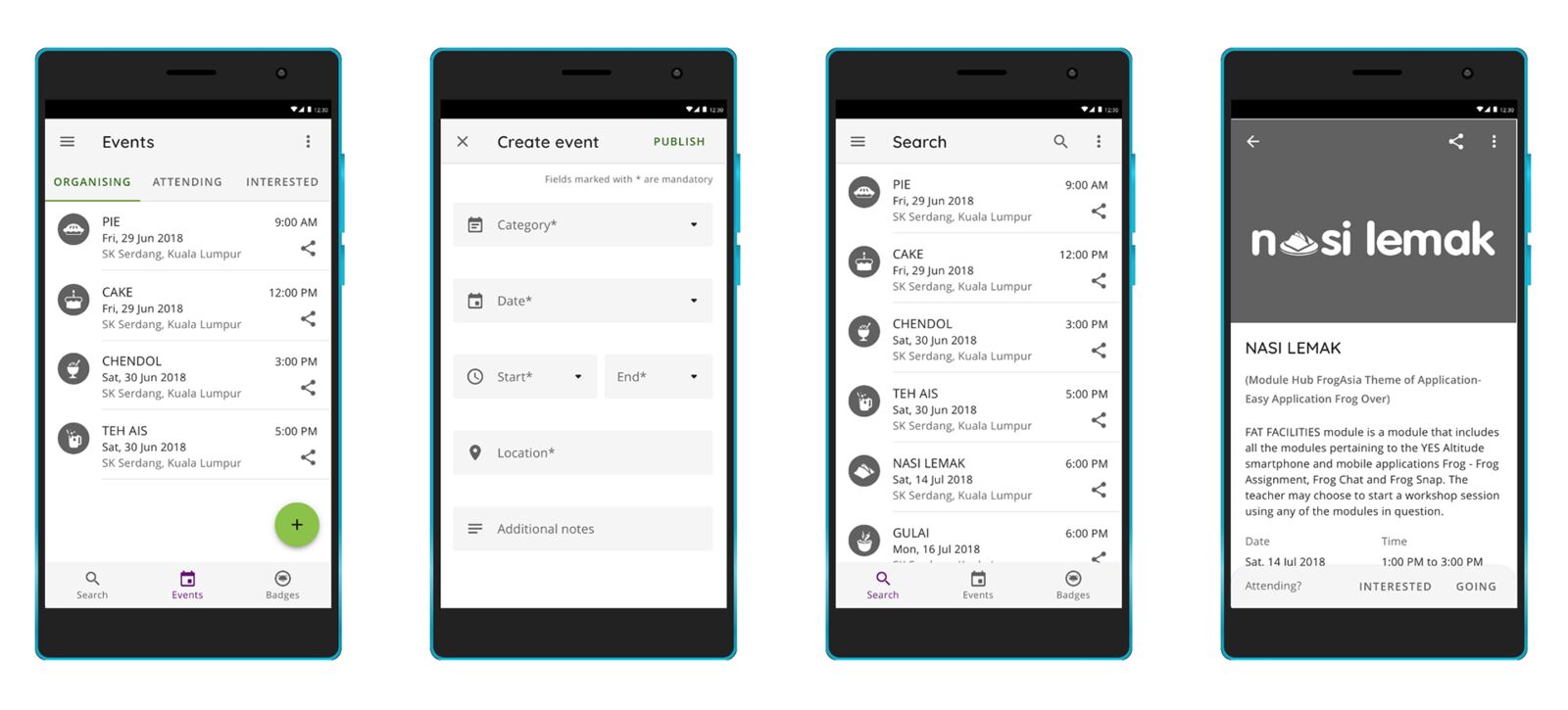
- Find and join different kinds of learning sessions.
- Plan and publish their own sessions.
- Get recognised for taking part, through badges and digital certificates.
The moment that decided the research
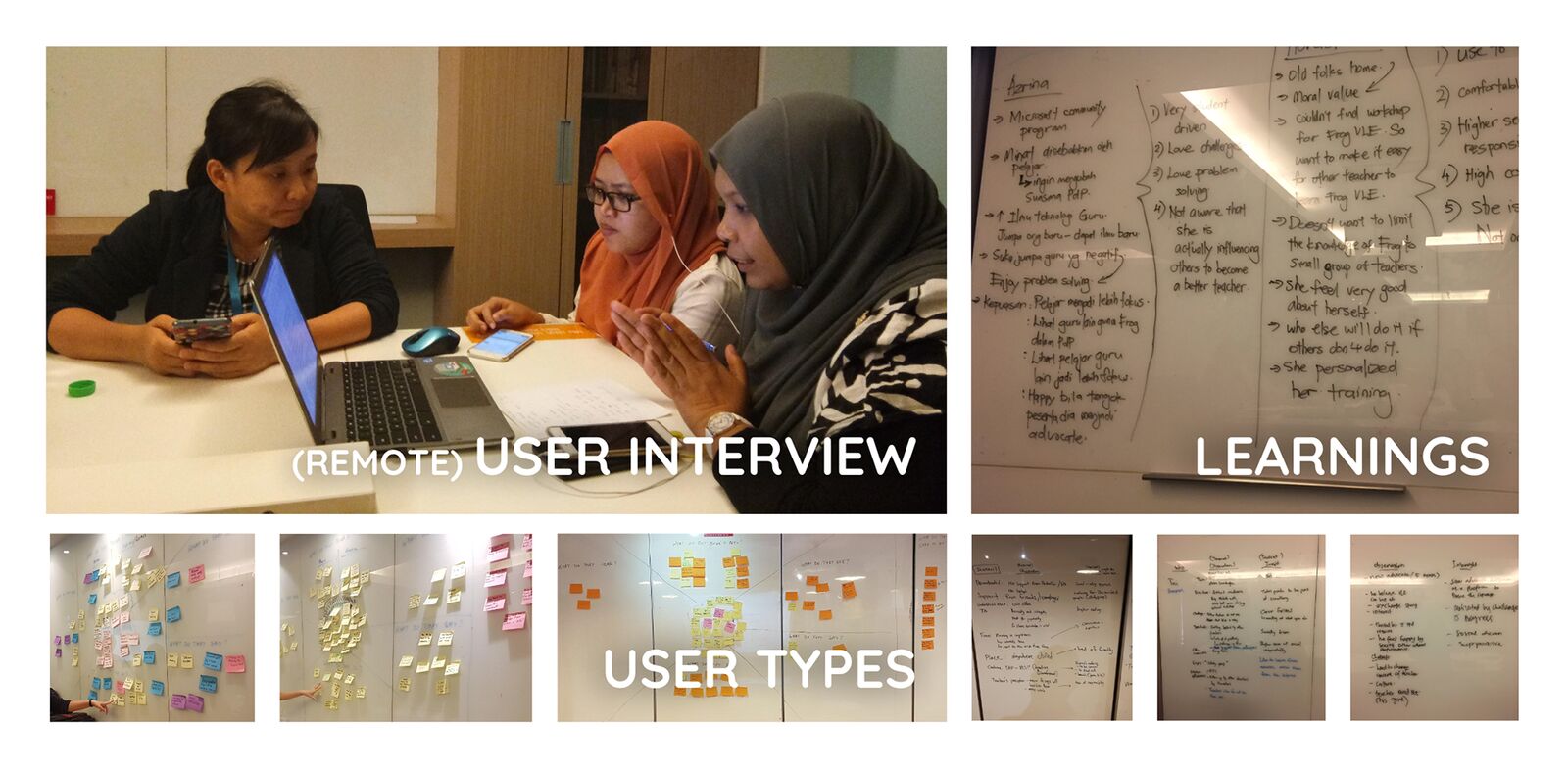
School holidays meant we could not interview teachers face to face, so we ran phone interviews with 20 teachers.
After the first round I saw a problem. Most of the team led users with their questions instead of exploring. Leading questions produce answers that confirm what you already think, and that would have weakened everything built on the research.
I was new to the team, so how I corrected it mattered as much as the correction. In the debrief I did not point at anyone's mistakes. I demonstrated how to run the interview, taking care that nobody felt corrected. It was the first time I had coached a team this way.
By the third round, several interviewers had improved markedly, and the insights became richer and more specific.
From 34 screens to 61, one test at a time
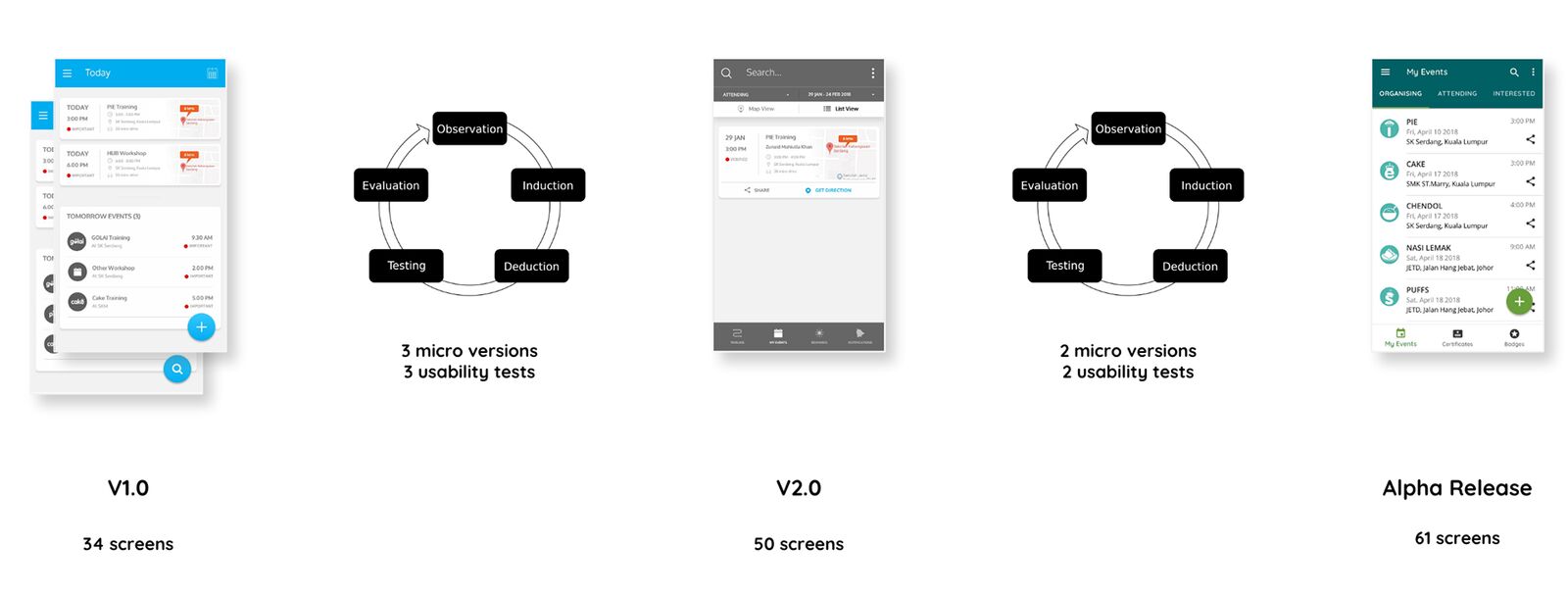
Each version went through a loop of observation, induction, deduction, testing and evaluation.
- Version 1.0: 34 screens, refined through 3 micro versions and 3 usability tests.
- Version 2.0: 50 screens, refined through 2 micro versions and 2 usability tests.
- Alpha release: 61 screens.
When teachers got lost, the structure changed
Usability testing showed teachers struggled with the new way of joining and running sessions through an app. It was a change in habit, not only a new interface.
We changed how information was displayed and introduced a dashboard for quick access to every session a teacher was running, attending or interested in. Badges and certificates became visible features rather than something buried in a menu.
We repeated the same tasks with the new design. Findability improved on the previous round, and teachers could set up their own notifications to hear about new sessions.
Leading ten people through it
- Led: a team of 10 through Design Thinking and an Agile process, from research to beta, solving problems in real time as they changed under us.
- Owned: the research approach, the design direction, and the brand strategy for the app, which I defined and drove from the ground up through many iterations, holding a proposal through stakeholder pushback.
- Coached: the team's interviewing, during the research itself.
- Handled: ad hoc requests from across the business. I learned to see when a request fit the product framework, when it could join an ongoing project, and when it needed its own track.
What I would change, and what I kept
- Set the success measures with the business before the beta. The results were strong, but agreeing the baseline and targets for every measure up front would have made the before and after easier to defend.
- Write down the interviewing standard. The coaching worked by the third round. A short guide at the start could have got us there in the first.
- Advocates need recognition fast. People who promote your product notice when the thank-you takes a month.
- Coach by showing, especially when you are new.
- When users struggle with a new habit, change the structure, not only the screens.
Want the longer version of this story?
I can walk you through the decisions, the trade-offs and what I would do next.